
Tag: Policy Recommendation Series
-
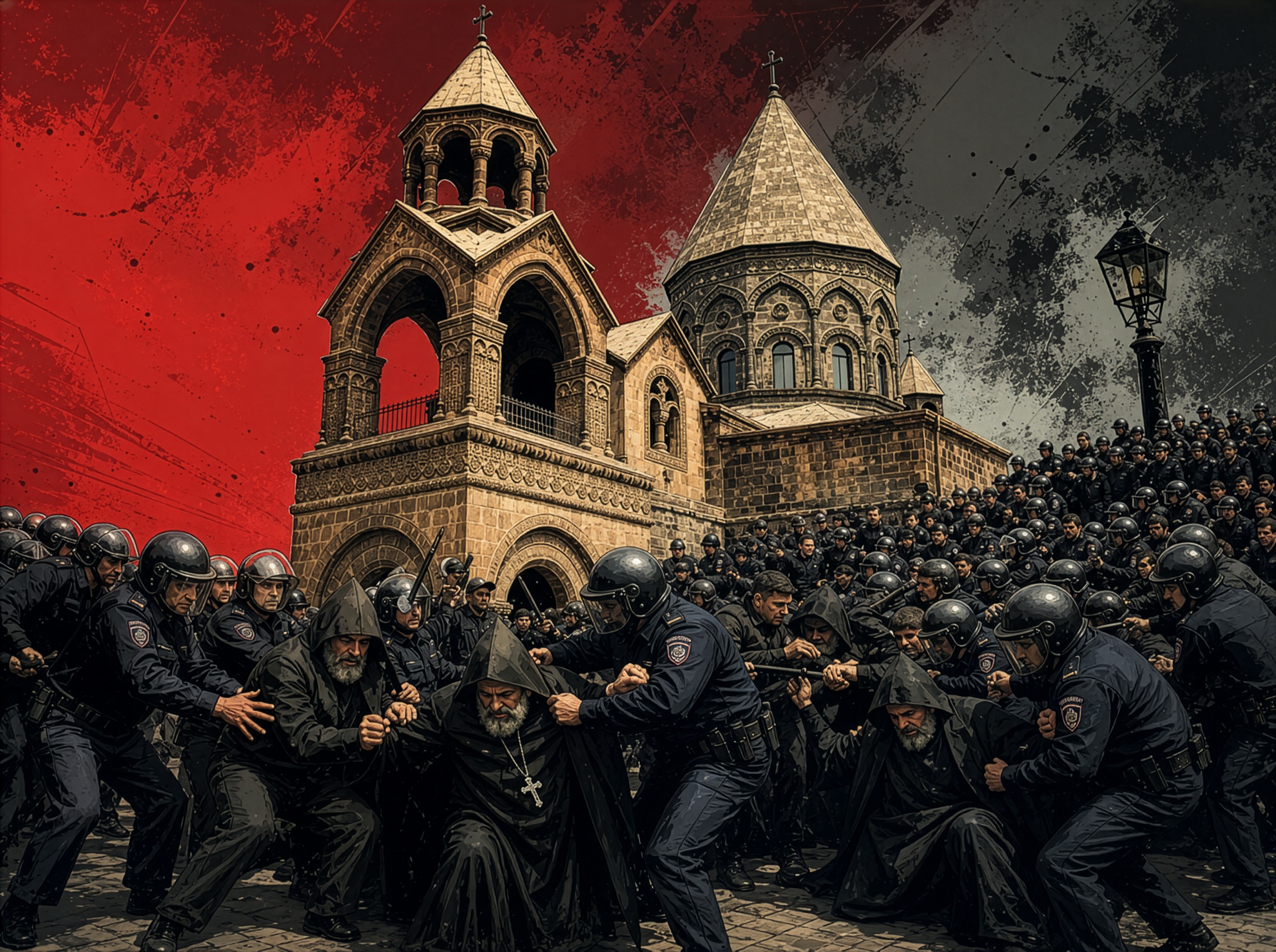
A Church Under Siege: Armenia’s Unlawful Campaign to Silence the Armenian Apostolic Holy Church
Authors /John Eibner, Ph.D.Joel Veldkamp, Ph.D.Peter Flew, Ph.D. On 7 June 2026, Armenia went to the polls for what was one of the most consequential elections of the independence era. Marred by intense international interference and the threat of war,…
-

The Development of Upper Secondary Public Education in The Republic of Armenia
This report examines the state of upper secondary education (grades 10–12) in the Republic of Armenia as of 2025, identifying deep structural, content-related, and governance challenges that undermine educational quality and student outcomes. Drawing on official Armenian statistics, international assessments,…
-
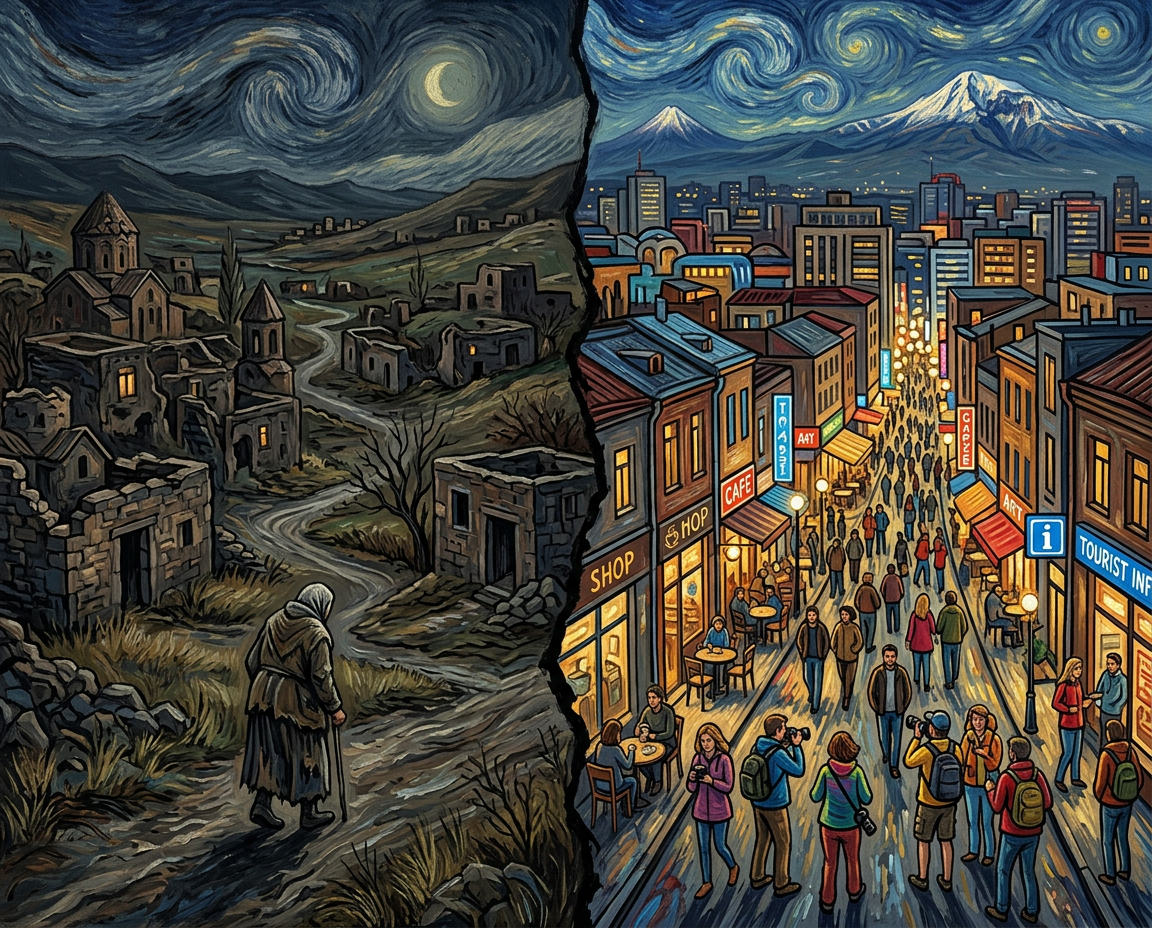
Bridging the Divide: Financial and Institutional Drivers of Regional Disparities in Armenia
Authors /Tatul HayruniNaneh HovanessianEdgar HovhannisyanLusine Torosyan Abstract This report examines regional disparities in Armenia, with a particular focus on the widening gap between Yerevan and the rest of the country’s regions. Among several factors, we focus on the financial and…
-
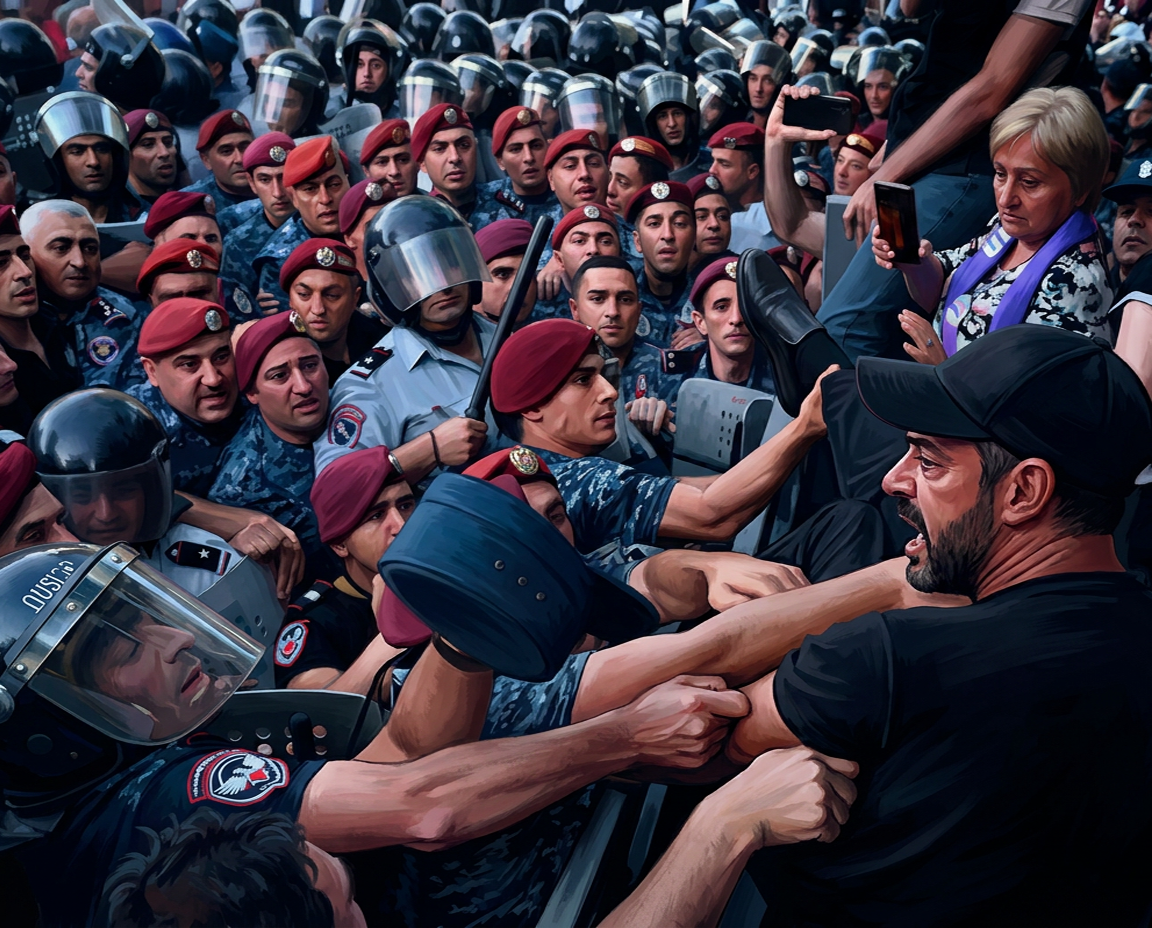
Escalation of State Violence: Systematic Police Brutality in Armenia Since 2023
Police brutality in Armenia is not a new phenomenon. Successive administrations have repeatedly used law enforcement as a tool for political control, violating citizens’ fundamental rights to freedom of assembly, expression, and bodily integrity. However, while the country has a…
-
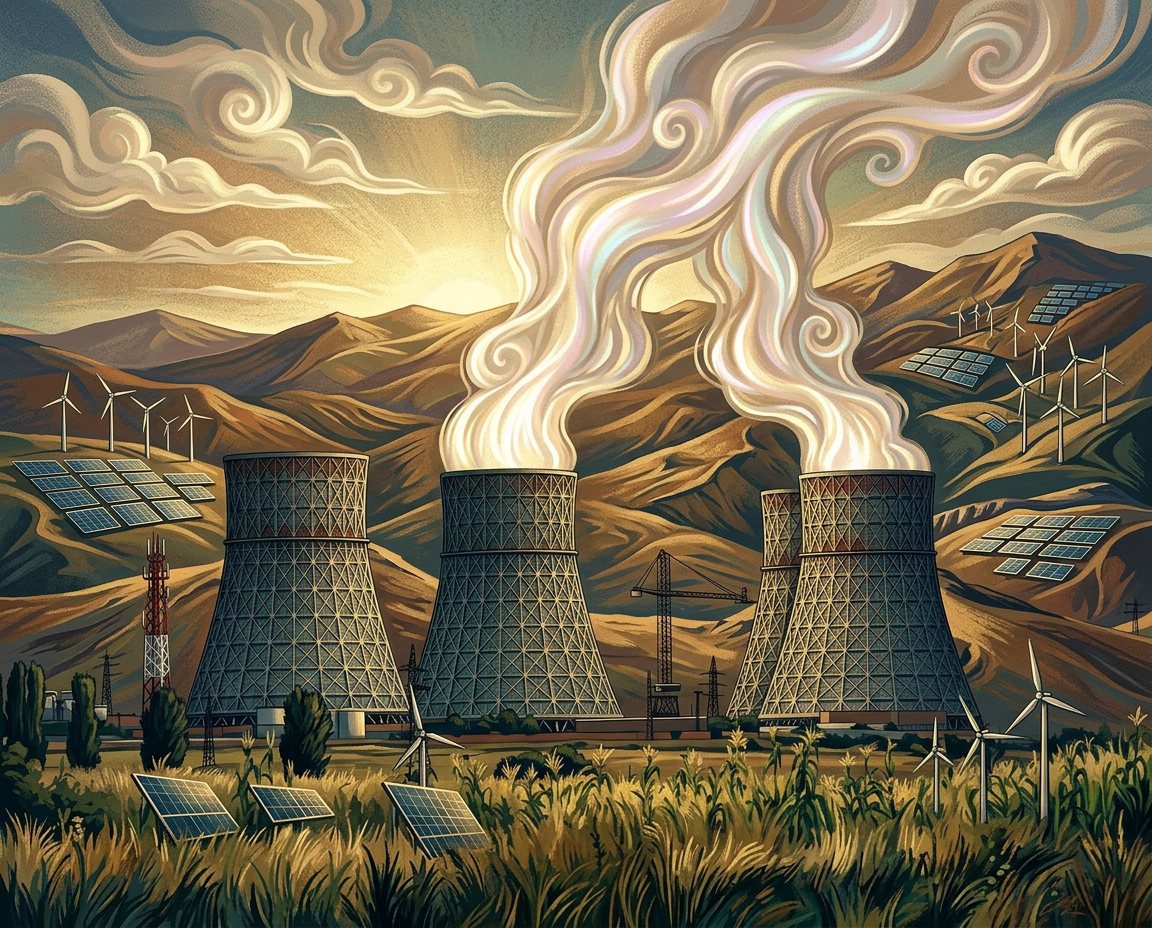
Solving the Energy Trilemma: Armenia’s Transition to Energy Abundance
Armenia stands at a pivotal moment in its energy trajectory, confronted by acute dependence on imported fuels and the pressing need for long-term sustainability. This paper examines Armenia’s energy security challenges through a detailed analysis of its current energy mix,…
-

Right of Return of the Armenians of Artsakh (Nagorno Karabakh)
The forced deportation of the Armenians of Nagorno-Karabakh (also known as Artsakh in Armenian) from their homeland by the Azerbaijani government can be characterized as “ethnic cleansing.” In a special report titled “Why are there no Armenians in Nagorno-Karabakh?” Freedom…